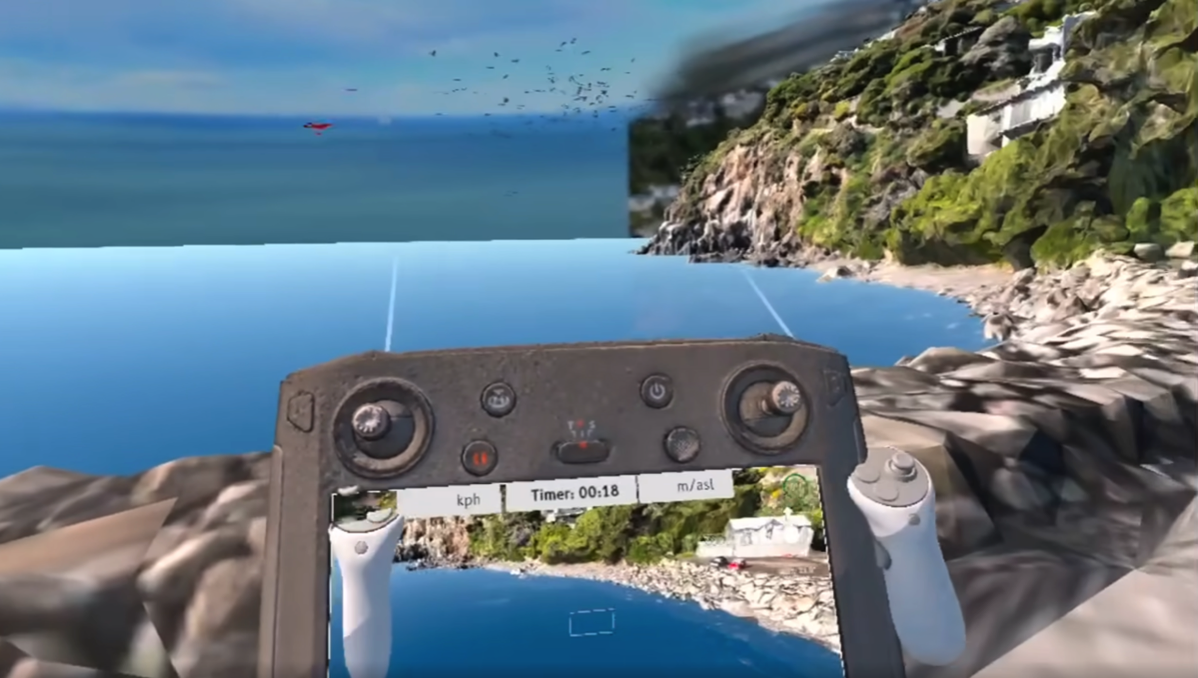
DSARTS Drone Search and Rescue Training Simulator

What started as a 3D modelling exercise to visualise search‑and‑rescue environments quickly revealed something bigger. The more we viewed the digital terrain using a keyboard and mouse they more we thought, this is like playing a video game.
That spark turned into a prototype, and the prototype into a purpose-built simulator designed for real SAR operations. DSARTS now provides responders with a safe, repeatable environment to practise drone decision‑making, test search patterns, rehearse complex terrain, and build confidence before stepping into the field.
What began as a question has become a capability: a shared platform where responders can learn, experiment, and prepare for the moments that matter.
That spark turned into a prototype, and the prototype into a purpose-built simulator designed for real SAR operations. DSARTS now provides responders with a safe, repeatable environment to practise drone decision‑making, test search patterns, rehearse complex terrain, and build confidence before stepping into the field.
What began as a question has become a capability: a shared platform where responders can learn, experiment, and prepare for the moments that matter.
DSARTS is available on Steam, Wishlist it now for the pending release.

It's only just been setup, but please join us on Discord to provide feedback
Built by Responders, Grounded in Real Operations
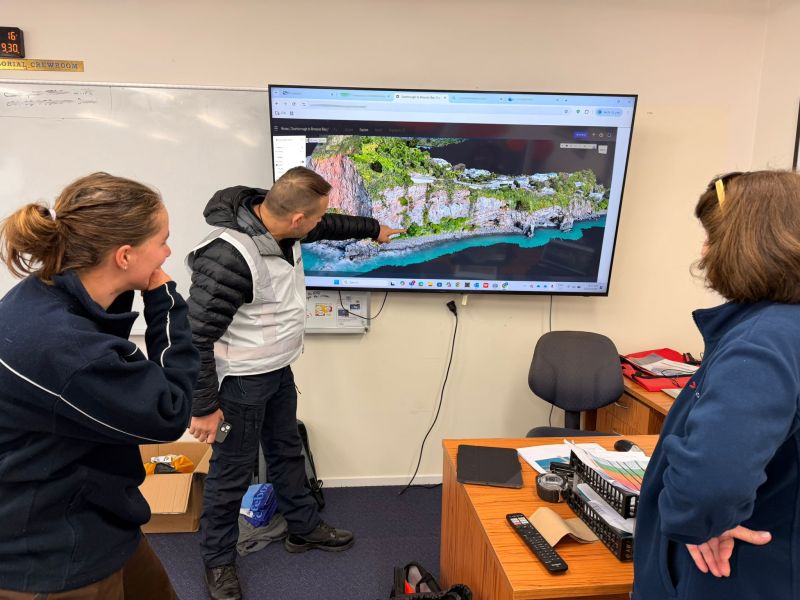
DSARTS wasn’t imagined in a boardroom or dreamed up by a studio, it was built by the responders who search the shoreline, crew the boats, and fly the drones when someone needs help.
The simulator grew out of real SAR environments; coastlines, cliffs, estuaries, and urban edges that responders know not as abstract terrain but as places where decisions matter. Every scenario in DSARTS traces back to an operation that taught a lesson, revealed a gap, or left a mark.
For the responders who shaped it, development became more than a technical project. It was a way to process the emotional weight that comes with SAR work: the uncertainty, the urgency, the moments that stay with you long after the gear is packed away.
Turning those experiences into simulations offered a constructive outlet, an opportunity to transform difficult memories into tools that prepare others.
The simulator grew out of real SAR environments; coastlines, cliffs, estuaries, and urban edges that responders know not as abstract terrain but as places where decisions matter. Every scenario in DSARTS traces back to an operation that taught a lesson, revealed a gap, or left a mark.
For the responders who shaped it, development became more than a technical project. It was a way to process the emotional weight that comes with SAR work: the uncertainty, the urgency, the moments that stay with you long after the gear is packed away.
Turning those experiences into simulations offered a constructive outlet, an opportunity to transform difficult memories into tools that prepare others.
Built for Drone Operators Who Want Real Practice, Not Just Virtual Stick Time
Whether you’re new flying drones and building confidence or experienced and wanting to sharpen SAR technique, DSARTS lets you practise search patterns, camera handling, and target detection, in a safe, repeatable environment. Every run is different, every target must be found, and every choice you make can effect the time to find the target. It’s training that feels purposeful, challenging, and directly transferable to real operations.
Contact us to try the demo or start the conversation on how quickly we can build you your own locations and training scenarios.
Train Your Ops Team With Dynamic, Scenario‑Driven Desktop Exercises
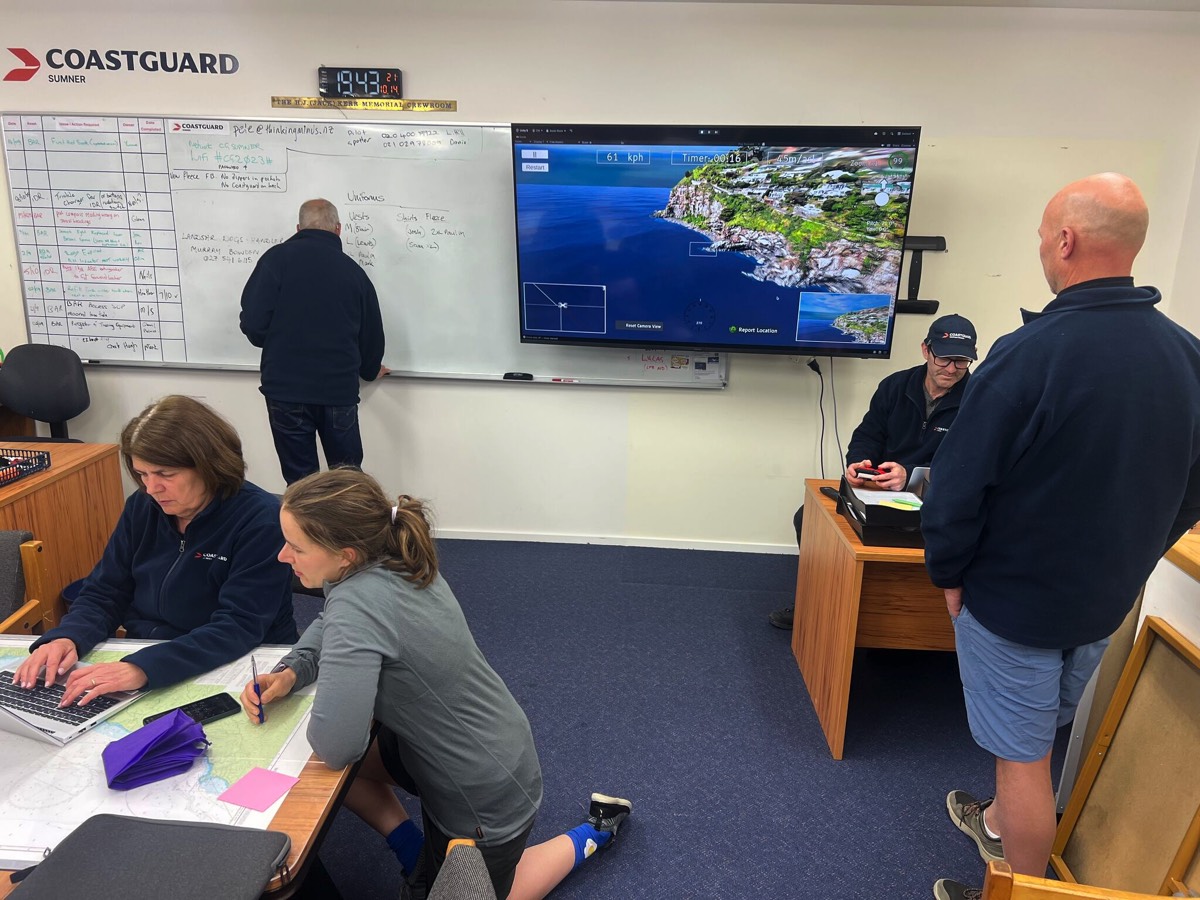
DSARTS gives operations teams a way to run full desktop response training built around a living, unfolding scenario, not a pre‑scripted exercise where the target is already known.
Ops teams work through the entire decision cycle: receiving initial information, planning the search, allocating resources, adapting to conditions, and responding as new clues emerge inside the simulation.
Because the target is actually found within DSARTS not predetermined on paper, every training run becomes a genuine problem‑solving exercise.
Teams must interpret information, coordinate assets, and make decisions based on what the simulator reveals. It turns desktop training into something far more realistic: a shared operational challenge where the whole team learns, adjusts, and responds together, just as they would during an actual callout.
Ops teams work through the entire decision cycle: receiving initial information, planning the search, allocating resources, adapting to conditions, and responding as new clues emerge inside the simulation.
Because the target is actually found within DSARTS not predetermined on paper, every training run becomes a genuine problem‑solving exercise.
Teams must interpret information, coordinate assets, and make decisions based on what the simulator reveals. It turns desktop training into something far more realistic: a shared operational challenge where the whole team learns, adjusts, and responds together, just as they would during an actual callout.
Invest in Custom Locations and Training Scenarios for Your Team
DSARTS is designed to become more powerful when SAR organisations add their own environments and scenarios. Every location has its own hazards, access points, and search challenges, and training is far more effective when responders can rehearse in the places they operate. By integrating your local beaches, cliffs, bush edges, rivers, and inland search corridors, your team builds familiarity, confidence, and decision‑making skills long before the next callout.
Adding your scenarios also preserves the lessons your organisation has earned through real operations. The tricky searches, the near‑misses, the patterns that worked, and the ones that didn’t—DSARTS turns that knowledge into repeatable training. It’s a way to strengthen preparedness, capture institutional experience, and give your responders a safe, realistic environment shaped by the environments they protect.
Adding your scenarios also preserves the lessons your organisation has earned through real operations. The tricky searches, the near‑misses, the patterns that worked, and the ones that didn’t—DSARTS turns that knowledge into repeatable training. It’s a way to strengthen preparedness, capture institutional experience, and give your responders a safe, realistic environment shaped by the environments they protect.
Expanding Beyond Search and Rescue
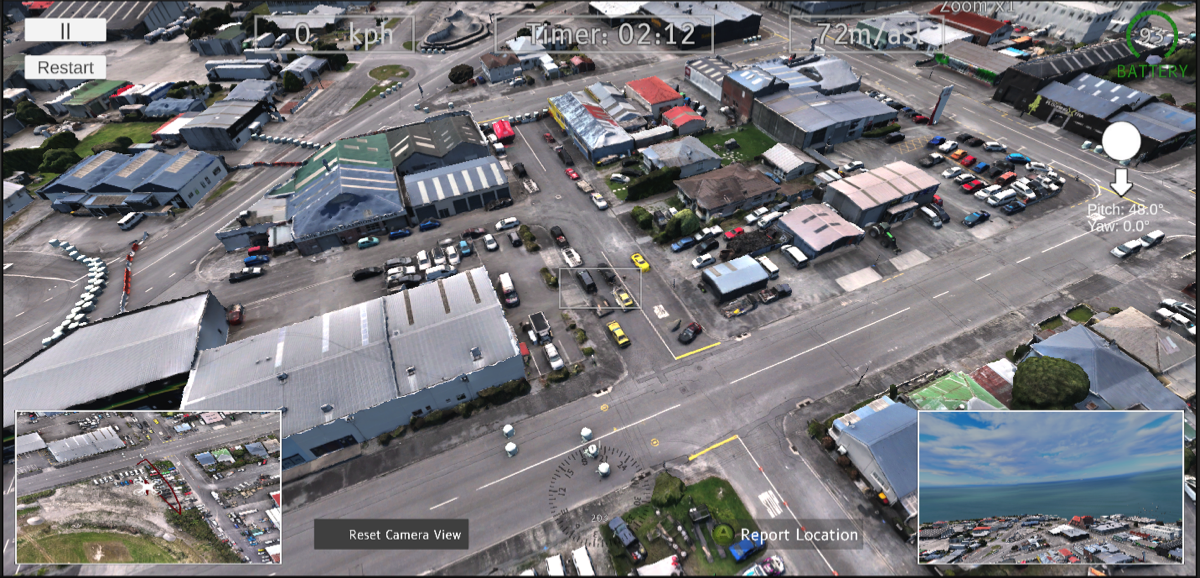
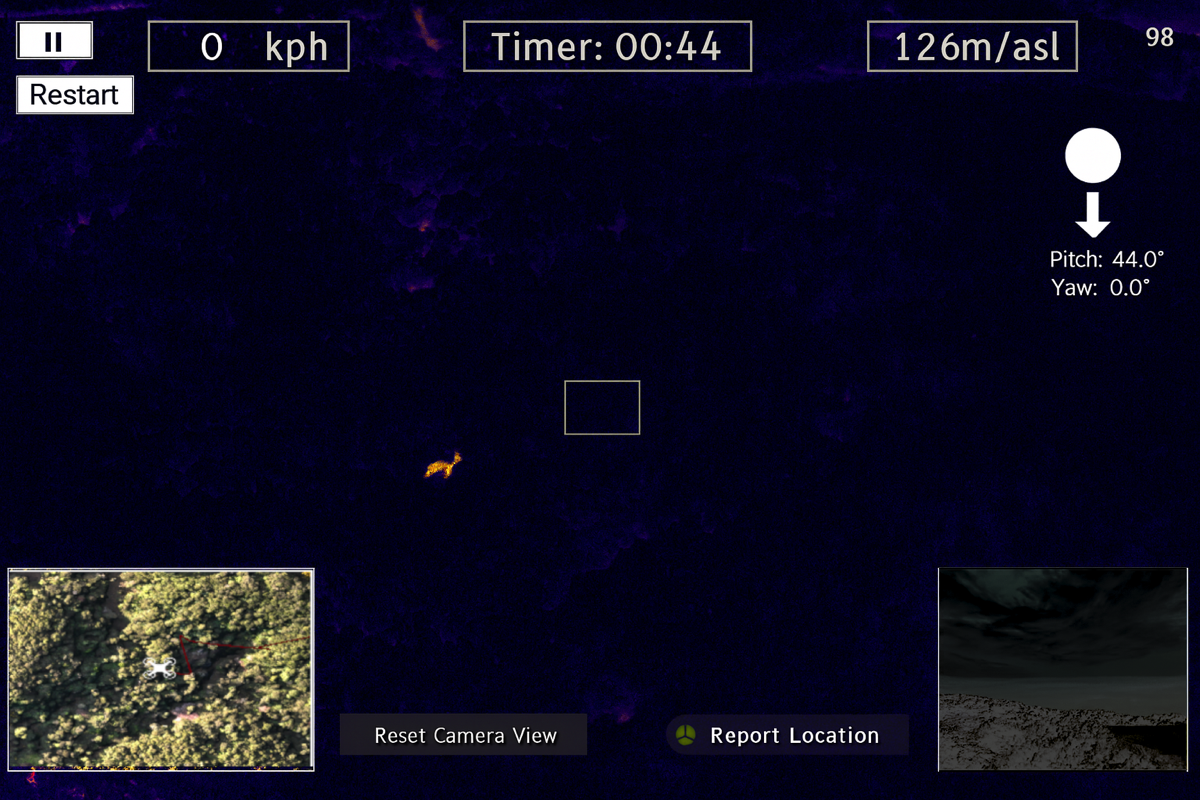
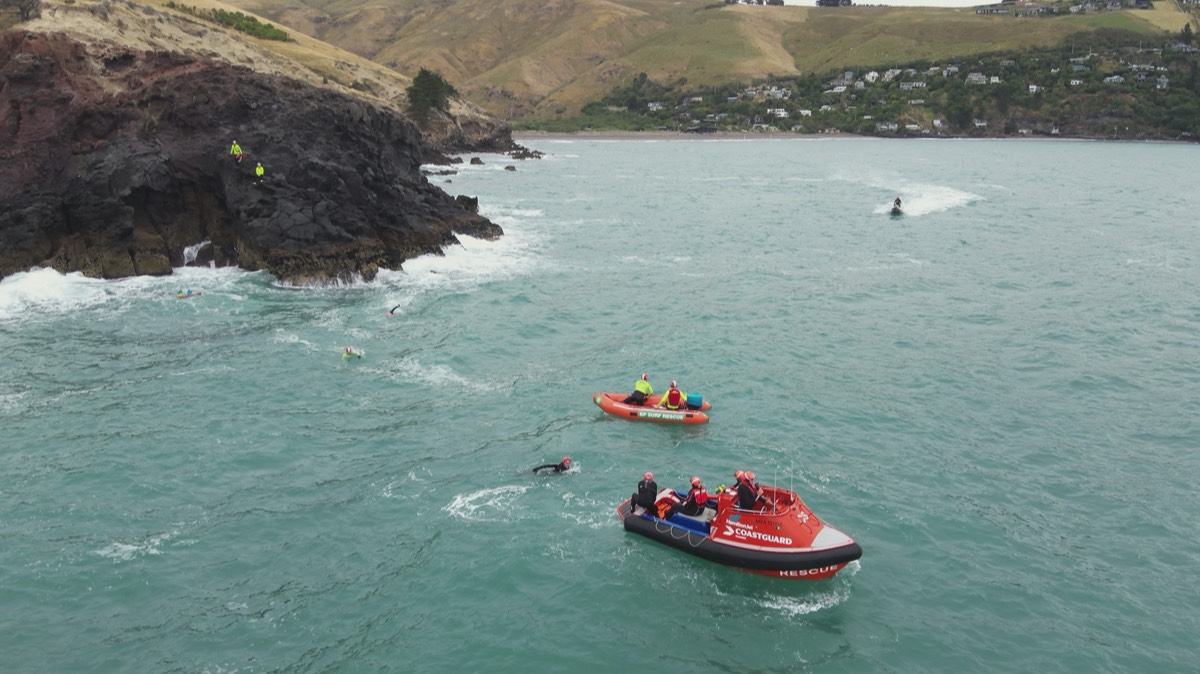
While DSARTS was originally developed to support search and rescue operations, the underlying simulation engine is designed to model a wide range of drone‑based tasks. We are actively looking to extend the platform into new operational domains, including environmental monitoring, infrastructure/building inspection, emergency response, and commercial UAV workflows. These developments will draw on the expertise of the industry professionals we’re talking and/or actively working with. Their real‑world experience, spanning operational constraints, safety considerations, and emerging best practices helps ensure each new scenario reflects genuine field conditions rather than abstract or “game‑like” models.
We’re actively exploring partnerships with organisations that rely on drones and want training tools that reflect the complexity of their environments. By collaborating early, partners can help shape the next generation of modules, whether that’s modelling hazardous sites, wildlife monitoring, industrial assets, or any other operational context where drones play a critical role. If your organisation is interested in contributing to this research and gaining access to tailored, scenario‑driven training, we’d be keen to talk.
We’re actively exploring partnerships with organisations that rely on drones and want training tools that reflect the complexity of their environments. By collaborating early, partners can help shape the next generation of modules, whether that’s modelling hazardous sites, wildlife monitoring, industrial assets, or any other operational context where drones play a critical role. If your organisation is interested in contributing to this research and gaining access to tailored, scenario‑driven training, we’d be keen to talk.
VR and Visual Line of Sight (VLOS)
Most VR drone simulators focus heavily on FPV flight, often overlooking the reality that many drone operations, especially in complex environments, rely on visual line of sight (VLOS) alongside monitoring the controller screen. As part of our ongoing research, we’re developing a VR concept for DSARTS that replicates this dual‑focus experience: flying by sight while referencing the controller screen. The goal is to create a more immersive and realistic training environment for early‑stage pilots, particularly in scenarios involving obstacles, people, or rescue operations.